Different Hunger: All Videos
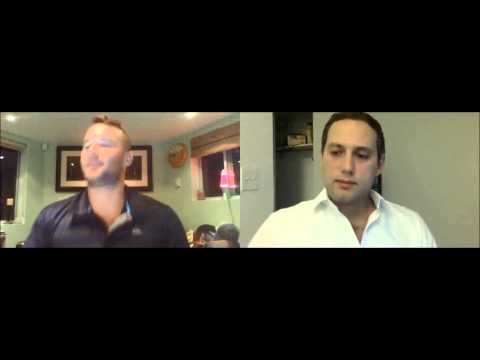
How the 24/7 Hustle Mindset Failed Me ft. Kevin Kruse // DHTV - Different Hunger
Matt Kohn · 50:46 · 2020-05-21
About this video
Our favorite quote from Kevin: “What [top performers] all have in common is the power of 1440. There’s 1,440 minutes in a day and that’s the number that can change your life. Because when you realize just how valuable time is — money, you can lose it and make it back; even your health, you can get sick and you can get healthy again; even your relationships, you can get divorced and remarried to the love of your life... But time — once it’s gone, it’s gone.”
Transcript
What's going on, my name is Matt Cone and you are watching different hunger TV. I'll be sharing interviews with you that take you behind the scenes into the lives and journeys of the world's most inspiring individuals. Through sharing these stories, my goal is to help ambitious 20-somethings like yourself find and do work that you love. Be sure
to subscribe so you don't miss out on future episodes, and if you ever have any questions, just leave a comment. I reply to every single one. Thanks and I'll see you inside. In this awesome interview, I sat down with Kevin Cruz, who is a New York Times best-selling author and someone who has built and sold several multi-million
dollar businesses. This guy is the real deal. I reached out to Kevin last year as part of my Roundup post and we kind of just became friends ever since then. I asked him for an interview and he said yes and so I was super stoked. In this interview, we talk about how the hustle till you drop kind
of Gary V. approach to working just completely failed Kevin and it actually led to a running with police that changed his life and career forever. From there, we talk about why focusing on making an impact versus making an income will ironically pay you way better and not only that, but it's a lot more fulfilling and rewarding in
the end. Let's get into the interview. I am here with Kevin Cruz, who is a New York Times best-selling author, keynote speaker and leadership expert and we connected a while back as part of my Roundup post featuring a bunch of top performers. So Kevin, thank you so much for being here. No, it's great to be with you.
Thanks for spreading the message. Of course. So Kevin, I initially came across your work through your book, 15 secrets that successful people know about time management and that book for anyone listening is an absolute must read for anyone. You were able to connect with people like Mark Cuban and a lot of other just incredibly successful people and
you basically asked them what are their secrets about time management and it's just an incredible read filled with just actionable insights and thank you so much again, Kevin, for putting that together. And so why don't we kind of start from there, like what got you into time management and what kind of got you interested in productivity? Yeah,
and you're being polite because when I was working on that book, like pretty much everybody just said, why in the hell do we need another time management book? You know, there's already 1,000 of them out there. But for me, I realized that even though we all had those time management courses, all those time management books, most of
us were still running around, you know, quote unquote crazy busy feeling totally overworked and overwhelmed and it's something that I struggled with a long time ago myself. You know, I, most people know I've started and sold several businesses, but the first couple failed miserably when I was, I like to say young and dumb and in my 20s.
And I really thought I could kind of just hustle my way to success, you know, sort of brute force. You know, eight hours a day wasn't enough to work. So I was working 16, you know, I was started skipping meals so I could spend more time, dial and sleep, you know, back more and more. I'll sleep when
I'm dead. And really those companies failed despite all of the hard work and, you know, my breaking point came when I was actually driving to work at about, I don't know, 5 o'clock, 5'30 in the morning and noticed lights whirling in the rear view mirror. You know, I was getting pulled over and the cop, I mean, the
short version was the cop, you know, came up and says, do you know why I pulled you over and I said, I guess I was speeding. And he just screamed at me, he's like, you know, speeding, he says, you flew up on my bumper. He says, I was going 55 in the slow lane, you then whipped around
me and kept on going. Now the thing is, this was not an unmarked cop car and I never saw him. So I was so tired, I was so already thinking about my to-do list in the day ahead. So stressed out that I literally flew up to the back bumper of a cop car swung around and kept going
and just never even saw him. And that's when I realized that, you know, I'm going to hurt someone or, you know, myself or someone else if I didn't change. And that's when I also realized like, okay, I'm going to go ask the most successful people I know, like for their time management productivity secrets. And it, I realized
that, I mean, the, the most successful people, I know, the richest people I knew, the healthiest people I knew, they weren't, they weren't working more than an eight or nine hour day. They weren't working weekends for the most part. You know, they had time to golf or to train for that marathon to have dinner with their kids.
And I realized like, there's nothing wrong with hustle. And I don't judge anyone that decides, you know, they want to work these monster hours. And there are times for that. But overall, you know, hustle is a small variable when it comes to success and productivity. So I started picking the brain and getting mentors in this area of
my life. And so, you know, that was a long time ago. And my next companies, you know, they started doing better and better. It was to the point where, you know, right around that cop car incident, you know, I did have a company that was doing almost $2 million a year. I sold that business for a couple
million. But I mean, I was, I was just dying. I was killing myself with the hours. In the last company, I was working about 32 hours a week. And we were doing $12 million a year and that business sold from almost 18 million. So it just showed. And it was the same industry, same, same kind of base.
It wasn't like I had just discovered a new way to make money was the same type of business. So, you know, I saw firsthand that there's working smart versus working hard. And when I sold that last company, you know, I've been doing a lot of different writing. But it's been a passion project. And why in the world
do we need another time management book or book on productivity? It's because the stuff that was out there, I mean, I read all those books. I took all those courses and it wasn't making sense. And so that's, as you said, I decided to reach out to, I mean, literally hundreds of high performers to, all right, you know,
give us your secrets and let me, let me compile them all so that we can learn how to, how to work smarter. How many, how many people do you connect with like 300 or 300 and all, yeah, yeah, and you broke down their insights into kind of 15 secrets and it's just very actionable, very practical. And it's
really helped me as well. So I was actually thinking just the other day, I need to go back and go back to my notes and everything because I'm kind of getting to the point where you were just mentioned. You know, I, I'm doing my web design. I'm working on growing this blog, this community, and I'm getting to
the point where I have more work than I can handle. And it's just a matter of, like you said, being able to identify that, you know, that's not the path that I want to go on and making that change. And so for you, like, you're kind of mindset, like, what did that look like from where you were
at before, where you were just kind of a slave to your work and then you kind of took a step back and understood that, you know, you needed to make a change. Like what did that kind of mindset development look like for those people who are perhaps burned out and just kind of overworking themselves right now? Yeah,
I mean, you know, I'll answer that in two ways. So, you know, before I, like, did the research for the book, I mean, my shift was understanding that, you know, I always knew that time was, was valuable. I mean, that's why I kept thinking I've got to work more and more minutes at it. And I think one,
you know, at a certain point, I realized like you really will, at some point, do a repervable damage, you know, to your health, to your relationships, you know, to other areas of your life, if you care about other areas of your life. But even if you don't, you know, what I, what I realized is, you know, there
are, there is a diminishing return, a very steep diminishing return to your productivity. And you know, we can't really, you can't manage time. We have the same number of minutes a day, but you can manage and optimize for energy and attention and focus. And so, you know, back then, looking back, if I was so out of it
that I could blow past a cop car, and there were other things. I mean, I was, you know, daily stopping at the 7-Eleven to get my cup of coffee and realized one day that, you know, I was looking at my coffee and said, huh, I never stopped to pay for it today. I just grabbed it and walked
right out. Other time I was filling up my car with the, at the gas station and got my car and drove off and heard this loud clunk, I forgot to take the nozzle out of my car. I mean, what an ass, right? I mean, I, I was just so stupid. So back then, when I'm just, just running
on fumes physically, I mean, how, how good could I have been in front of a client when I'm pitching a six-figure deal? You know, how creative could I have been when I'm trying to come up with some, you know, a problem solving? How good were my decisions? How good was I as a coach or a boss at
work? So, you know, it's like you very quickly get these diminishing returns and, you know, I, I talk about all these successful people I interview and, you know, they don't all do the same 15 things. Those are just the most common things. But what they all have in common is they truly, I call it the power of
1440. You know, there's 1,440 minutes in a day and that's the number that can change your life because when you realize just how valuable time is, I mean, money, you can lose it and make it back. Even your health, you can get sick and you can get healthy again. Even your relationships, you can get divorced and remarried
the love of your life. I'm, but time, I mean, once it's gone, it's gone. And, you know, I'm, I'm, I'm not a young dog anymore. And so, you know, as every year goes by, you really start to feel just how valuable that time is. And also, the power in a single minute, I mean, in a single minute,
you know, you can get a breakthrough idea that can exponentially grow your business. You know, in a single minute, you know, you can, you can connect with someone online that becomes a new, you know, partner in business or a new lover or whatever it is in a single minute, you can tuck your kids in bed at night
and really submit that, that parent child relationship. So, when you realize just, I mean, how valuable and how rare the minutes are and how powerful they are, all the other habits can start to fall into place. What's actually funny, one of our readers, her name is actually Brittany, she started a website called Project 1440. Oh, cool. And
she ended up connecting with me shortly after I published that post, but I immediately thought of your book because in your book, you talked about how every, every day you have kind of a note card that says 1440, which just kind of serves as that reminder, which I think is something that a lot of people should practice.
And so, kind of going back to that topic of just overworking, I mean, what I think probably the most important and valuable takeaway from, from your book was this quote, which every time I read it, it's kind of just great, it's, there is always more to do and more than can be done. So that is just such
a powerful quote. And even in your book, you're just kind of like read that again, read that again, let that sink in. And it's something that I always try to keep front of mind, but admittedly, I do struggle with it at times. And kind of, can you talk to us a little bit about how to just kind
of come to terms with that? But it's a powerful one, like most powerful things, it can be a tough one. And just to give that more context, I mean, I really, that's one of the moments when my life changed. That was reading Intel founder CEO Andy Grove in his book. And he was talking about how he always
goes home every day, like I think it was five or six o'clock, regardless of what's going on at work. And now this is a guy who built Intel and you know, it's making, you know, there's billion dollar chip factories and these vicious chip pricing wards with Japan and negotiations with Microsoft. I mean, you know, there's all kinds
of stuff going on if you're running that company, right? It didn't matter what was going on, I left because there's always going to be more stuff to do. And I've heard that again, over and over again, Doug Conan is a former CEO of Campbell Soup, incredible leader and business guy. And he would end every day again at
a consistent time and he would always end with the practice of writing out, handwriting out about 10, you know, thank you notes. And I've asked him like, you know, great practice, but who in the world has time, you know, to do that? You're the CEO, you've got a million emails, you got phone calls, you got investor calls
to return. Like and you sit down there and say, oh, it's 430 before I go home, let me just write out some notes. And he said like there's always stuff, there's always stuff that's broken. There's always more that you can do, there's always more ways. So it's not about the fact that there's more to do, otherwise you
will never go home, you will never go to sleep, right? And it's hard to internalize that, but to me, you know, another way to think about it is just getting really clear on your values. And you could say priorities, but it's your values. So, you know, for me, there was a time like, look, when I was 22
years old and I didn't have a wife, I didn't have any kids, I didn't have a mortgage, I was young, I was young and fairly healthy. So really didn't care about my health that much, wasn't too worried about that. So, you know, my priorities, my values when I was 22 was pretty much grow this business and make
a lot of money. Now that's, I could argue now why having that as the only goal is wrong. But look, I'm, I'm not here to judge. So if that is your only priority, then what the hell, work 16 hours a day, you know, don't go home, you know, try to get is more and more done. But for
most people, you want success, you know, with some significance, you want success with some relationships. Most people want to do well with their health, they want to do well with love and relationships and they want to do well with their wealth. So to realize like, okay, you know, there's 1,440 minutes in a day. How many of those
am I going to allocate to my health? Well, I'm going to allocate 7 hours to sleep and 1 hour to working out and another hour, 3, 20 minute blocks for eating a good meal, right? That's my health time, relationships. Okay, to me, and again, no judgment. There's no right answer. I want to spend 30 minutes a night,
you know, with my kids and one night a week, date night with my spouse or whatever it is, you know, whatever great looks like to you for your relationship. And if the third thing is your career, your business, et cetera, okay, how many minutes are left? And when you really do the hard work and say, this is
truly what I value in life over the long term. And this is what a great balanced, ideal life, like this is what my perfect day looks like. And when you really believe it and feel that you figured it out, then when it's 6 o'clock or 8 o'clock or 3 o'clock, whatever time quitting time is for you, you're
not going to think like, oh crap, look at all the things on the to-do list. Or boy, I really want that proposal to be not just a B level, an A level. So I'm going to stay longer. Your mind shifts. It's like, okay, I've burned through my allocation of career time, of business building time, of wealth building
time. Now I'm going to shift to my investment in my health or in my relationships or whatever that is. So it's just, it's like you're pre-scheduled to like, my great life looks like this. Here's the chunks and I'm just going to bounce from chunk to chunk. And look, there's nobody's perfect, it's always about progress, not perfection. So
even now, the time management productivity guru, I'm close to finishing my next book right now and I've missed a few workouts in the last week because I really want to get this book out. In terms, it's not wise, but I'm guilty of doing it too. Yeah. Yeah, and I really love that. I've not actually heard that approach,
but just kind of like reverse engineering your schedule based on your values. That's amazing and I mean, that's my problem I'm going to do after this probably because like I said, I need to improve upon that a little bit. So yeah, wow, thank you for sharing that, Kevin. And so something you said earlier was that, you know,
working for the financial reasons, you know, working for the money was probably not something that you would, it's not something that is your kind of sole focus now, but it was when you were 20 and your advice to your 20 something self, which I featured on my post, which I absolutely loved was that life is about making
an impact over an income. And the reality is that what I learned is the irony is, you know, life is about making an impact, not making an income, but the more impact you make, the higher your income will be. So again, when I was young and dumb in my 20s, you know, my sole goal was to be
independently wealthy by age 30, you know, millionaire was the, million dollars was the number back back then. It doesn't go as far now, but and that was because when I was a kid, I saw my father who was an entrepreneur, I saw his business go bankrupt. I saw this scary bill collector shop at our house. I saw
his lose our house. And it just imprinted on me that like, I am never going to have someone take my house away from me. I'm never going to wonder about money like I will do what it takes to become independently wealthy. Now, that's fine. And for other people, it's so I was my motivation, my money motivation wasn't
about I want a Ferrari. It was like, it was a fear of like, I do not want to be poor. You know, I do not want to worry about, you know, breaking my, my leg and going to hospital. For others, the money goal is often because they want the Ferrari, they want the second home, they want, you
know, to live the lifestyle. And again, no judgment, but, but what I have found is that in my own experience, when your goal is an income goal or a money goal alone at least, you don't enjoy the ride. You're not enjoying the ride. So I think a better goal to have is to really understand like, you know,
what are your gifts? What do you, what do you know that most people don't know? What can you do that most people can't do? What are the things that are, that are, that are scarce in society that you have? Where's your interest, where are your interests? Who do you want to help? Who do you want to serve?
And all of a sudden, when you say, okay, here is the impact I am going to make in whatever way it is. And I don't just mean like, working in a soup kitchen, it could be, you know, I'm going to put a dent in the universe by creating a better calendar app or by teaching a thousand other
people how to have a work from home business, whatever it is. When you truly feel, when it's coming from a good place, the positive impact you're going to make, the way you're going to help the world, then again, you're waking up with energy. You're waking up happy to serve. You're waking up with lots of people saying, hey,
thank you. And that's energizing. Once you kind of focused on serving others, like, is there any kind of situations in which you're like, boom, you know, impact led to income? Yeah, well, I think certainly like the vague examples is like, you know, I got to certain goals at age 30 with the money goal. When the goal slowly
shifted over the next 10 years to being more and more in service, and it became, for me, in business, it became like creating a great place to work for people, helping people go from, I mean, I literally like the front desk receptionist who was making 20 grand a year within a couple of years was a six figure
sales owner, the guy who was driving a tow truck that I hired to become a video producer now owns his own business and is worth several million dollars. Like, I became sort of interested in helping others reach their full potential for those who are around me, my partners and my employees, and those businesses again, like exponentially were
bigger, faster, grew better, had less headaches than any before. Where I've really seen it is in my book business. So I mean, I've written a lot of books, and my first books were around leadership and engagement. It's still a topic that is important to me, but looking back, it was sort of, I realized my goals on some
of those books were like, I want to be a New York Times best seller, or I want to make money now as an author speaker. And so, you know, the people that I'm going to sell to are these leadership buyers. And those books did okay. I mean, you know, most people would like to have the sales at
those books hit. But the time management book, Matt, it's completely, I didn't have that audience. I mean, everyone knew me as the leadership guy, the employee engagement guy, the entrepreneur. And now I'm going to do out of the blue yet another book on time management. What's because that really was a personal passion. And I remembered how young
and dumb I was and the transformation I had. And I'm like, you know what, now this sounds corny, but like, so I've got three kids. I'm almost 50. And it was like, for my next book, like, I don't need to write a book to, you know, pay the rent. So, if something bad were to happen to me,
you know, I get struck by lightning today, what would be some of the lessons that I haven't taught my kids? Like what book should I write? That would be a good gift for my kids. They don't want to read my books now. They're too young. But someday, and I thought, you know what, the importance of time and
the philosophy that the time is always now and how valuable it is, like, I've not given that message out yet. I've not written about that. So the time book was a passion project to help my kids, to help others who were, I didn't, like, again, I have no platform in this area. And yet that book outsells all
my other books, 10 to 1. That's the book that now, I mean, you know, whether it's income, whether it's sales, whether it's impact, and it's come back and kind of changed my life because every day now, I get, you know, 10 to 20 emails from people who've read the book. And several, and I look for the words,
I mean, they say, it's changed my life. You've changed my life. And there's nothing more gratifying. I don't care who you are or how cold-hearted you are or whatever. I mean, if someone says you've changed their life, it just, you get so much energy. You're like, that's really cool. And so this is an example where, once I
stopped being so focused on the external validation and said, how can I serve best? And write a book that is all about serving best. Boom, it's 10 times the income of any other book I've ever written. It's just crazy. Yeah, that, I mean, that's just amazing. And for anyone listening, that's just a very motivating and inspiring kind
of journey that you just walked us through. Thank you for that. And, you know, again, just to kind of like recap, you know, you definitely hit your goals, whatever they were, both in your 20s and also in your 30s, but it just sounded like the kind of goals that you attained when you were in your 20s were
just kind of empty and unfulfilling, whereas the recent success and the success you've had over the last kind of 10, 20 years or so has just been so much more fulfilling because you're not only just hitting a monetary goal, but you're impacting the lives of other people, which is how this world kind of moves forward. So that's
amazing. Awesome. Well, and so also Kevin, in your book, I read that you wrote about a time in which you were a keynote speaker and you got paid over 50k for that speech. And for me, when I read that, I was like, holy shit, that is kind of unfathomable for me. You kind of like just talked us
through that kind of like high level journey of how to become a 50k speaker. Yeah. So let me give you like the philosophical answer and then what everyone really wants to hear, which is like more, more specifics. So most people believe and feel that like money is scarce, wealth is scarce. And what you have to realize is
that money is everywhere, I mean, money is everywhere. And to get it, you need to make yourself scarce. Now so many people like do that the cheap way, you know, oh, you know, sign up for my course. Only 50 people will be let in and you know, that's bullshit. And you know, it's false scarcity, right? What I'm
talking about is whatever your business is, you know, whether you're a health coach, well, you know, a fitness coach or a motivational speaker or you've got whatever, you know, an advertising agency or an interactive developer, whatever your business is, you need to position yourself so that you are the only person who does what you do. Now you
can do that by picking a very narrow area of content and being a master at it. You can do that by picking a very narrow audience in which to serve. And you can do that by not being very accessible. So what does all this mean? So as in the speaking business, it used to be, you know, 10,
20 years ago that everybody hired motivational speakers. So if you just spoke well and put on a good suit and could give a good ra ra speech, you would get, you know, 20 grand of speech and have 50 speeches a year. Those days are largely over, you know, they call them motivational speakers, but when people hire those
types of people, it's usually for entertainment at conferences or like you're trying to rev up your sales force to have a great first quarter or something. What people hire now when it comes to the speakers, it's really more about expertise. Again, people who are who are hard to find that know something. And very practically speaking, if you
just go to speaker bureau websites, like Washington Speakers Bureau is one of the big ones, Gotham artists in New York is another one, premier speakers. So Google them, you go on to their web page and they've got categories. So the big categories are like leadership is always hot. Innovation is really hot right now, creativity, millennials, how to
decode working with millennials is humorously hot right now. So there's certain topics and basically what those topics are saying is companies want to hire people who have unique knowledge or experiences in these areas. So we're back to that scarcity. So here's the thing, like if you don't have a very unique life experience, if you haven't accomplished much
in life and you really don't have knowledge or advice that's any different than anybody else out there. So I don't know, you might have a great speech on goal setting and your advice is to set smart goals and they're specific and measurable and blah, blah, blah. Well everybody teaches smart goals and if you have nothing else unique
about you, you will either get paid nothing per speech or you'll get invited to do a lot of talks for like $1,000, $2,500, that's kind of the starting range and you're really more of a trainer. Hey, come in for an hour and teach us about goal setting or we're trying to fill half a day, teachers about goal
settings, that's like the bottom run. Now if you've written a book that gives you some extra credibility, if you've come up with some new models, I'm not about smart goals, I'm about dumb goals, D-U-M-B, whatever that stands for, right? So now it's like, ooh, you know, Matt's got some unique stuff around goals that we haven't heard before,
that's pretty scarce and valuable. And he's got a book on it and a cool video. Well now you're in like the five grand, $7,500 range. When you get to some additional credibility, you can point to that, you've won some awards, you're the CEO of your own company, you've done a TEDx or a TED talk, well TED talks
a different world, TEDx talk even, now you're going to get into the $10,000 to $20,000 range. Now to get to, so my standard ask going into 2017 is $25,000 for a one hour keynote. So how do you go above or below that? I'll do less than $25,000 for local gigs, I'm in Philadelphia. So if I don't have
to get on an airplane, we were talking before the show, I just did a 35 minute speech in Nashville, Tennessee, but it took me like 30 hours to get there and back in like hellish travel conditions, and I'm not complaining, that's still a good hourly rate. So I know that, but it's like, if I cannot get on
an airplane, I'm going to take my feed down because you've provided value back to me. So how do you go from 25 to 50? So the secret is, and even professional speakers who make a living doing this aren't doing this. So this is really like, it's not, it's not hard, but it's, whatever reason it's uncommon. You add
wraparounds. People don't just want you to speak. They want an experience and they want to change the lives or give skills to their employees or their conference attendees. So something I always do, you know, Matt, if you say, hey, Kevin, I've got this, you know, my 100 top executives are gathering for annual leadership meeting, I want you
to come in and talk about time management. I say, no problem, I can do that 25 grand for an hour or I've also got this little online quiz that they can all take ahead of time. So they get their own productivity personality profiles. They can see where they're strong and where they're weak and, you know, do they
need to really pay attention or not, then, you know, we're going to go into the event, use those results, all that kind of good stuff. But after the event, all of them are going to get entered into an auto responder email sequence. So that once a week, they're going to get a reinforcement email from me, little short
message with a link to a video. So now week two, I'm going to remind them about procrastination week three. I'm going to remind them about the power of saying, no, whatever it is. So now of a sudden, it's like, wow, you know, I mean, valuing these three speakers on productivity, all very similar, similar price range, cruise is
a little more expensive actually, but he's going to engage people before the event and get him excited about it. He's going to deliver an awesome experience while he's live. And there's going to be all this follow up training, plus he's going to give us digital copies of his book, maybe a free webinar, you know, for the people
that weren't in the room. So all of a sudden, the wraparound services, it's not just a talk, it's like a, it's like a training event for the company. And that's where I think the case that, I think it was an energy company that I did that 50 grand one, if that was what it is, it's like, you
know, it's like do some survey work ahead of time, do a debriefing with the executives, kill it when you're there. In person, do some follow ups or some follow ups for the people that weren't in the room. And all of a sudden, you're like doubling your fee. And I really like it because it, not only is it
very specific and, and, you know, your specific kind of steps that you took to increase your rates as far as speaking go, but, you know, that same approach of just kind of putting in the extra work and, and just going that extra mile is, is how you really separate yourself in general. And last week, I was actually
in San Diego at Brennan-Bershards High Performance Academy. And Robin Sharmo was a speaker who's also a leadership expert. And one of his kind of, one of his takeaways and, and kind of metaphors that he used was that when he was in Switzerland at this hotel, they brought in his kind of breakfast card or whatever. And he noticed
that the lemon wedges did not have seeds in them. And he, he basically just said that in everything you do, DC the lemon wedges because that is what's going to separate you. It's what produces like masterful work and, and creates a legacy, which is really what I think everyone should aspire to leave. So thank you so much,
Kevin, for, for that kind of walk through of your journey. Yeah. No problem. Going back to your book and how you connected with all those people, you know, how I mean, how did you go about doing that? Was it just a matter of boom, send out emails, send out letters, paying off TMZ or whoever I'd want to
know? That's actually a good tactic, I hadn't thought of that one. Yeah. So as you mentioned, like I got, and I'm always, even after all this time, I get the exact numbers wrong. So, you know, I was able to get seven billionaires to respond, 13 Olympic athletes, 29 straight students and 239 other entrepreneurs. And so the first
answer, part of the answer is it, it's, it was just selling. You know, I was selling like, hey, will you give me some answers, give me some attention, give me your time. And like sales, I was turned down more often than not. So, you know, I got 239 entrepreneurs to give me their best time management secrets. But
there were about, you know, another 600 that ignored me or said no. And so when you're doing this kind of outreach, you just have to realize, like you will strike out, you know, more often than not, it's, it is a numbers game. The way I had, but so to get like as high a result as I did,
I think the key is, you know, I communicated via email, I just guessed that people's email addresses or there's some online programs that kind of show you, is it first name and company name or first initial last name, whatever it is. And look, we're so busy, especially productive, successful people, you got to keep it short. So I
think the subject line I used was something like, you know, one question interview. And then you could read the entire email, I mean, just in a matter of a few seconds. And I sort of just said like, hey, I'm writing this, you know, I'm, I'm hoping to interview you. I'm hoping you'll answer this one question as part
of research for my new book on productivity. I think I mentioned a couple of other people that had already said, yeah, so I did some, some kind of social proof on it. And then I said, the question is, you know, what's your number one piece of advice when it comes to time management productivity? And then I said,
like, I'd love to hop on the phone or Skype to talk to you about your answer. Or I even said, I'll come to you in person. We could do phone, we could do Skype or just hit reply and we can do the interview over email. And I got some of all of that. I mean, most of it
was through email, some of it was Skype and phone and stuff. And you know, what was fascinating to me, you know, like I got Dustin Moskovitz, he's one of the billionaires co-founder Facebook, but you know, I reached out to Tim Cook at Apple and Jeff Bezos and Amazon, they didn't respond. You know, I got, I reached out
to every shark on Shark Tank and I got almost no responses, but like Kevin Harrington responded really graciously and he's kept in touch. He's really good guy. And Mark Cuban answered the email in 61 minutes after I sent it to him, blew my mind. I didn't think it was really him at first. And you got to say
to yourself, hmm, the most successful shark on Shark Tank has the time to answer this, you know, writer's question, 61 minutes later, all the others were too busy to even respond. Like, hmm, I wonder if there's something behind, you know, that and Mark Cuban's success. You know, I was struck by that over and over again, all the
people that didn't just not return my response, but I mean, I got, I got hate back from my, you know, I'm saying like, hey, I'm an author, work on his book. I want to interview you and put you in my book and you'll get this extra exposure. And people goond me, I mean, they'd respond and say, that's
a stupidest idea for a book I ever heard. Stop wasting my time. What you're hitting 300 people up for research, that's called spam. Meanwhile, Mark Cuban gives me an answer. And these people who are struggling to get their home based business off the ground don't want to be in my book. I'm just thinking like, you can't even
help people sometimes, you know, it's funny. I mean, I all about protecting your time, but there's a time to say yes. And if someone's trying to give you some exposure, that's usually a good time to say yes. Yeah, well, yeah, that's a funny story. I mean, and also, I mean, thank you for saying yes to this interview.
I was kind of, I wasn't sure whether you would or not, but, you know, we had exchanged a few emails and I sent it over and you said, happy to help. And I was like, boom, got him. And I was super pumped. So thank you for joining. And, you know, I think another great takeaway from that story
is just that just by doing something, just by taking that action and reaching out to these people, you're separating yourself from so many people. And Mark Cuban, I mean, he was accessible within 60 minutes. I mean, like who can you not reach if you never, you never know. It doesn't hurt to try. And as you're finding, I'm
sure, you know, with your work, you're using these, this strategy yourself. What I have found like with, for me, everything starts with a book and then sometimes it's a podcast or other things. But by, by interviewing other people, first of all, you're doing your audience a service. Like you don't have all the answers. I don't have all
the answers. Let's mastermind some other thoughts and share that out. So it's the right way to offer value. Second, it's the best damn way to build your network, your social capital. Now there's all these people that you've spent some time with that you've connected with. And look, they don't all, I know, I mean, they don't all return
a favor or ever stay in touch. But a good number of them will spread the word about your book or your project or provide an endorsement or retweet your tweet or whatever it is. So it's both good for your audience, good for your network and future visibility. That's why I'm just so, for my next book, which I'm
wrapping up like literally, you know, within days, it's the same thing. I mean, there's a lot of people I've interviewed that were quick to say yes and they're in the book. And there are some people that I see them on Snapchat, you know, every day as they show all the time they're spending, you know, eating breakfast and
in the gym and drinking and dancing and, you know, doing all this life streaming. And they tell me over and over again, they don't have 10 minutes for me to ask them a question to be in my book. And yet they talk about how they're trying to build their brand and their business and I just shake my
head. I don't get it, you know, yeah, yeah, I totally, I totally get that. And so tell us about your new book, what is that all about? Well, I can't reveal the exact title or too much of the civics yet because they're sort of a surprise in it. But basic, again, like this is a passion project. This
is not the smart financial thing to do would be to just keep writing about time and productivity now or leadership to build that, that tribe. But I, one of the things that I do that I think is unique as an author, speaker guy is like I answer, I invite people to email me all the time with what
they're working on what they're challenged by and I answer every single email personally. And you know, I spend about an hour a day answering emails and connecting with people. And a lot of people are surprised at that. And I think in this world of mass media and trying to build a mass audience, you know, there's nothing wrong
with like running Facebook ads or just email blasting your generic thing. I mean, I do those kinds of things, but I think the real secret and the good news for people who don't have a lot of money to spend on that kind of marketing is if you will just be helpful and answer people's questions, you know, for
an hour a day, answer emails for an hour a day. You will not just build your fan base, but you're going to build your super fan base. I mean, these are people who are engaged that won't, they'll do anything for you. And so Jay Bear, content marketing guru talked about Gary Vaynerchuk's approach as like, you know, the
gift of intimate attention. How we're also ignored and this, you know, social media is not very social these days. We're still using it to broadcast or we're now using it to broadcast, you know, and one of Vaynerchuk's gifts is like, you know, whether it's a wink on a tweet or a quick video, thank you or answering people's
questions and ask Gary Vee, he's connecting to many strangers every day who suddenly are no longer strangers and become friends. So the entire book is exploring this idea of, you know, how can you build your brand, your business and change the world just with one-to-one interactions in an hour a day. I mean, that's really what I'm, what
I'm exploring. Wow. I love that. That's... And when is that set to launch? Hopefully before the end of the year, brother. Okay. Well, definitely keep me posted. That sounds great. And I'm really glad that you brought up Gary Vee because I wanted to kind of circle back to something that we talked about before and I know we
have a few minutes so we'll wrap up shortly. But, so yeah, Gary Vee, he is kind of notorious for his hustle till you drop approach. And, you know, what we kind of started this interview off with was kind of the need to, you know, set your values and kind of break down your time and be balanced and
not just kind of overwork and hustle till you stop, which is kind of what he preaches. So like, what is your kind of take on that and do you feel that his kind of approach to that is harmful for kind of people just starting out? Yeah. So here's what I would say. So I don't know Gary personally
and again, no judgment. So if Gary Vee has thought through his life values and decided that, you know, he wants, however, you know, a hundred hours a week to be invested in his business, great. You know, he's decided that's his goal and he's hitting it. Everything's perfect. What I would add though is, you know, I'm curious, you
know, is his spouse cool with that allocation of time in Gary Vee's life. And again, not saying she isn't, you know, she could be like, yeah, man, he does his thing, you know, for that much time, but we have one day a week and I'm busy with my stuff. So one day, like, I know many couples that
it's all cool. I know a lot that aren't, you know, will his children wish that they had more time with him, you know, and is he cool with whatever their reaction is to the time? If it's all good, it's all good. I will also say that, you know, Gary Vee, he hasn't necessarily slowed down the hustle, but
he even talks about, you know, his newfound respect for health. You know, I think he's genetically gifted. I don't think he does need a lot of sleep. He seems to be like a high energy extrovert. So I think like he has some gifts that certainly I don't have, but, you know, he has started, it's often at five
in the morning or six in the morning, but I mean, he is now spending time on his workouts with his personal trainer, with eating, you know, more meals and healthy meals throughout the day. So even the Gary Vee of today, I think, is a little bit different than the Gary Vee of 10 years ago in that, yes,
he's hustling, but he's also making time for a core value, which is now emerging to be health. So, you know, again, it goes back to, look, you know, would all of our businesses be a little bit better if we doubled the number of hours that we put into them every week? Probably, but what's the opportunity cost? You
know, how much would they be twice as good? Would they be twice as big? I don't think so. Again, I don't think your time and energy scales linearly. I think it diminishes. And what is it doing to your health? What is it doing to your relationships? So it just comes back again for all the people who, you
know, respect Gary Vee's hustle, you just need to be clear to yourself, you know, how, what are your values and what is your perfect day look like? If your perfect day is, look, I want, I want, you know, 20 hours of, of hustle at work and two hours of sleep and two hours is my family, then that's
what a great life looks like to you. God bless. I mean, go for it. I mean, it's all up to you just being mindful of it is really the bigger point. Awesome. Cool. Yeah. I really like that answer and that's definitely, you know, as long as you're clear on what is absolutely important to you and you're making
sure that your schedule reflects that, then, you know, there's no guilt needed or anything like that. Yeah. Perfect. So just to kind of wrap up, your advice to your 20 somethings self was one of my favorite pieces of advice that I received on my project. And I'm curious on in your book, what was kind of the one
or two pieces of advice that really kind of struck you? Yeah. I think with the 15 secrets book, you know, for me, it's the, the surprise, the number one surprise habit that came out of it. And again, that most people get immediate cognitive dissonance and struggle with. The most powerful thing is stop using it to do list
and start using a calendar, meaning if you want something done, put it on your calendar and live from your calendar. You know, the ultra productive people doesn't mean like you still should have a notebook. You still want to write things down. You can have lists of goals and dreams and projects and things. The problem is, you know,
to do lists tend to be the, the graveyard of important but not urgent things, you know, we tend to do the quick things, the easy things. We tend to be more stressed out when we see this ever growing list that's always slapping us in the face. It's too easy to say, yes, oh, you want me to do
that favor? No, no problem. I'll put on the bottom of my to do list. And you're forced to pause and say, for every single thing I'm going to do, including processing email, processing social media, date night, whatever it is, when I have to pick a date, a time and a duration for that thing, and then I'm going
to print it out and use that as the to do list of the dates, really a calendar, it completely changes your productivity levels, reduces your stress levels, and, you know, gives you a higher quality of life. Tied in with this idea is just being really clear on your daily most important task. You know, what is the one
thing that will most grow your business this year? What is the thing you can do today that will have the biggest impact? Schedule time for it on your calendar and ideally as early in the day as possible. You know, most of us use our prime thinking time, our prime cognitive time, you know, we're clearing out our inbox,
we're signing crap on our desk, we're opening mail, we're checking social media, all that stuff. That's great work to do in the afternoon. That's not very taxing. But, you know, on my daily calendar, I sort of have these themes where I say, I like to create in the morning, I like to collaborate in the afternoon, and I
like to connect in the evenings, meaning I do all my creative work, my thinking work in the mornings, collaborate is meetings and phone calls and stuff like that in the afternoon, and connect is like personal connections. That's going to be family time at dinner, date night, calling friends over and having beers while we watch the game, and
getting into just sort of that rhythm so that what you're doing as matched to your energy level is also really, really important habit. Yeah, that's all, that's really great stuff, really great stuff. Thank you for sharing that, Kevin. And so anyone who wants to keep up with your work and follow along with all the exciting stuff that
you're doing, could you let us know how we can do that? Yeah, I mean, for anyone who's really looking to like, you know, double their productivity and reduce their stress, just go to masteryourminutes.com. You can download like the cheat sheets, all these infographics with all of these tips and everything right there. And you know, similarly, if you've
got podcast listeners out there, then productivity-podcast.com will take you to all of the podcast episodes. That's the best way. Awesome. Well, thank you so much again, Kevin, for sharing your knowledge and your time with us today. Thanks a lot for having me. Awesome.
Keep going